
One of the most common questions buyers ask in 2026 is simple—but critical:
“How much house can you afford?”
With stabilized interest rates, evolving lending guidelines, and higher everyday living costs, the answer isn’t just about what a lender approves you for. It’s about what fits your real life, your long-term goals, and your comfort level.
This reality-based guide breaks down how to determine what you can afford in 2026—without stretching yourself too thin.

1. What Lenders Say vs. What You Should Spend
Lenders calculate affordability based on debt-to-income ratios (DTI). In many cases, buyers are approved for more than they feel comfortable spending.
Just because you can qualify for a certain price doesn’t always mean you should buy at that level.
A smart approach considers both lender limits and your lifestyle.

2. The 2026 Rule of Thumb (With Flexibility)
While every situation is different, many financial experts still suggest:
- Housing costs should ideally stay at or below 28–30% of your gross monthly income
- Total monthly debt (including car loans, credit cards, student loans, etc.) should stay under 36–43%
However, in 2026, flexibility matters. Higher insurance costs, utilities, and everyday expenses mean buyers should leave breathing room—not max out their budget.
3. Monthly Payment Is More Than Just the Mortgage
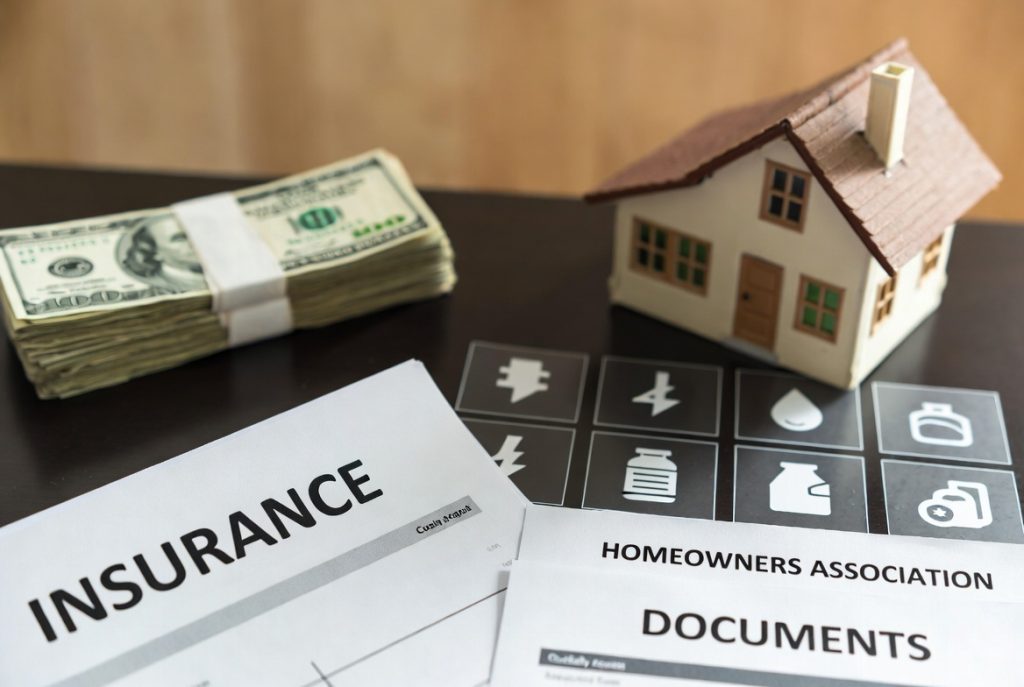
When calculating affordability, buyers often focus on the mortgage payment alone. In reality, your monthly housing cost includes:
- Principal & interest
- Property taxes
- Homeowners insurance
- HOA fees (if applicable)
- Maintenance & repairs
- Utilities
- Landscaping or pest control
Two homes at the same price can have very different monthly costs depending on taxes, insurance, and upkeep.

4. Don’t Forget the Hidden Upfront Costs
Before you ever move in, buying a home comes with upfront expenses that affect affordability.
Plan for:
- Down payment
- Closing costs (typically 2–4% of the purchase price)
- Inspections
- Appraisal
- Moving costs
- Initial repairs or furnishings
A realistic affordability plan includes cash reserves after closing—not just enough to get through it.

5. Lifestyle Matters More Than Square Footage
Your home should support your life—not restrict it.
Ask yourself:
- Do I still want to travel, dine out, or save each month?
- Will this payment feel comfortable if expenses increase?
- Am I planning major life changes (kids, career shift, relocation)?
- Do I want flexibility or stability right now?
A slightly smaller home with financial freedom often feels better than a larger home with constant stress.
6. How Interest Rates Impact Affordability in 2026
Rates have stabilized compared to recent years, but they still play a big role in affordability.
Even a small rate difference can change:
- Monthly payment
- Total interest paid over time
- Buying power
That’s why getting pre-approved early—and reviewing different loan scenarios—is so important in 2026.

7. Pre-Approval ≠ Commitment
A pre-approval doesn’t lock you into spending a certain amount—it gives you clarity.
Benefits include:
- Understanding your true buying range
- Seeing different payment scenarios
- Strengthening your offer when you find the right home
- Avoiding emotional overspending
Think of pre-approval as information—not pressure.

8. Leave Room for the Unexpected
Homeownership comes with surprises. Even well-maintained homes can need repairs or upgrades.
Smart buyers in 2026:
✔ Keep an emergency fund
✔ Avoid maxing out their budget
✔ Plan for maintenance costs
✔ Think long-term, not just month one
Financial peace of mind is just as important as finding the perfect house.

9. The Best Way to Find Your Real Number
Online calculators are helpful—but they don’t tell the full story.
The best affordability plan combines:
- A trusted lender’s guidance
- Your real monthly expenses
- Your lifestyle goals
- Your comfort level with risk
- Local tax and insurance data
This is where working with the right real estate professional makes all the difference.
So… How Much House Can You Really Afford in 2026?
The right number isn’t the maximum you qualify for—it’s the price that allows you to enjoy your home and your life.
If you’d like help running real numbers, exploring neighborhoods within your comfort zone, or connecting with a trusted lender, I’d be happy to help.
Let’s find a home that fits your budget, your goals, and your future—comfortably.